
May 2022 News from Pignon
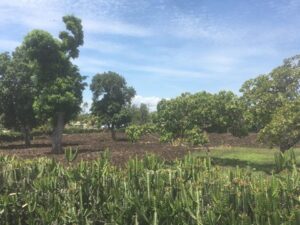
Here’s what our friend Darling shared about Agriculture Day:
This newsletter is centered around agriculture as we are in our rainy season in which our people clean, work, and plant the fields.
We have deemed it necessary to shed light on agriculture, a science that is practiced in Haiti especially during rainy periods. Let’s live together the life of our peasant relatives, friends, or others.
Agriculture, an incredible source of life for the Haitian people, more precisely the people in the commune of Pignon. In this city, in the past, only adults were able to identify when they could start cleaning, plowing, or planting the fields, those who are called “peasants” (Peyizan or Nèg andeyò). This agricultural activity is not mechanized, the peasants carry out a manual activity using their machetes, hoes, pickets, plows, oxen to achieve the desired objectives. In Pignon, we have many fields cultivated with sugar cane because this product does not need constant rainwater to grow (the sugarcane is used for the manufacture of syrup which, by fermentation gives alcohol and clairin). Other foodstuffs such as potatoes, corn, peas, etc. require the rainy season because we do not have an irrigation system to meet the requirements in this regard.
In Haiti, May 01 and 02 are considered Agriculture and Labor Days. The Chamber of Agriculture of the city of Pignon (FECHAMPS) and other agro-economic entities, used to organize exhibition activities and sale of tools at good prices to facilitate farmers to organize themselves more (activity carried out in the public square). But we find that on Sunday, May 1 of this year, this activity had not taken place. On the other hand, in the two university establishments of Pignon, the Christian University of the Community of Caiman (UCCC) and the University Jerusalem of Pignon (UJEPH) carried out related activities. Other schools in the city were marching to enhance the brilliance of this unforgettable day, they wore green jerseys, others organized conferences based on agriculture as in the Lumière school of Many Hands for Haiti (MH4H), who taught students how to plant a tree and did this experience for hours at MH4H and at home. Several years ago, this population of non-governmental and local organizations distributed seedlings of fruit or forest trees with the idea of reforesting the city. Again, no appearance is made from them. The MH4H teaches its students with its team of agronomists and agronomy technicians and often encourages the parents of its program (PMJ) First Thousand days and Agriculture program about the importance of trees for the environment.
Next to my courtyard are about 2 squares of land, possession of an old man. This old man manually prepares and plants a plot of this amount of land with corn, peas, and others. This takes about two months. Until now, he continues to prepare more space.
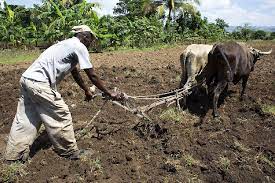
Corn, peas, and other plants will be harvested in 3 – 4 months. And a quantity will be distributed on the market, and another will be saved in their stores (warehouse) which will facilitate new plants for the following year.
It is very hard to watch an elderly person who decides to cultivate the land manually, which will cause him much pain. And in these fields, the farmers can only sow little because their courage does not respond to a small quantity of these foodstuffs for sale on the market, which leads to a daily increase in the price of the products since our productions do not respond and that sugarcane cultivation is more accepted.
Translated from French by Lauren Thompson